
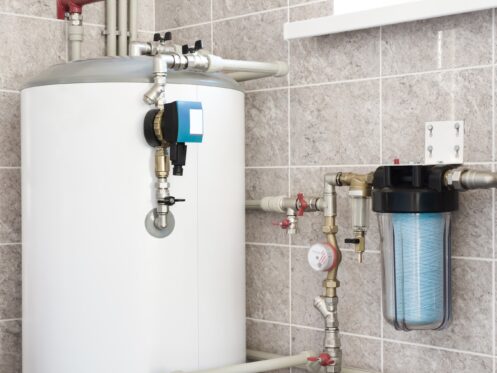
Chilly mornings can put your water heater to the test when you need hot water most. Simple steps like flushing sediment, checking valves, and insulating pipes can keep your tank running reliably all winter.
Flushing Out Sediment for Smooth Performance
Over the course of months, minerals in your water settle at the bottom of the tank and can trap heat, making your heater work overtime. To clear that buildup, a plumber will attach a hose to the drain valve and run the water until it flows clear. You’ll notice the first few buckets carry rusty or sandy particles, but once the flow runs clean, the tank regains capacity and heats water more evenly.
Professionals use specially designed flush tools that prevent valve damage and protect flooring from hot spills. After flushing, they top off the tank and test for leaks at the valve connection. With sediment removed, you enjoy more consistent hot water, fewer cold spots during showers, and less wear on heating elements. This step also cuts down on cycling frequency, so your electric bill doesn’t spike when the mercury dips below freezing.
Testing the Pressure Relief Valve for Safety
That little lever on your tank offers a lifesaving escape route if pressure climbs too high inside. During a preseason check, a plumber lifts and releases the valve handle to confirm that water gushes out and then stops when you let go. If the flow dribbles or won’t reset, it signals internal corrosion or debris blocking the seal. Left unchecked, a bad valve can allow pressure to build until seams fracture, spilling scalding water across your utility area.
If the valve is found to be faulty, the plumber will replace it with a model rated for your tank’s maximum working pressure. After installation, they perform a second cycle test, checking the discharge line for proper drainage away from your foundation. That simple exercise guards against catastrophic failures and gives you confidence that your water heater will let excess steam and water escape safely all winter.
Shielding Pipes From Cold Snaps
Any exposed water line is a candidate for freezing when overnight temperatures plunge too low. To provide protection from the cold, an expert will lay closed-cell foam sleeves around each supply pipe, sliding the insulation snugly over joints and threaded connections. In tight spots, such as under floor joists or behind cabinets, they wrap heat-trace cable that senses a falling temperature and delivers just enough warmth to keep water flowing. After securing the cable with UV-resistant ties, they plug it into a protected GFCI outlet and test its operation by chilling a small section with ice to see if it activates.
That dual method of insulation and heating prevents midnight pipe bursts in hidden corners. If a power outage strikes, backup battery systems or propane-powered trace kits can keep those lines warm until you restore electricity. With vulnerable runs protected, you won’t find yourself wrestling with a torch or desperate calls to an emergency plumber on a bitter winter night.
Verifying Thermostat Accuracy and Recovery Rates
Your tank’s thermostat directs heating cycles, so you want it set at a level that balances comfort with efficiency. A plumber will remove the cover plate, check the voltage to each element, and calibrate the dial to match the actual output. They measure incoming and outgoing water temperatures using a laser thermometer pointed at the discharge line. If the recovery rate lags, say it takes nearly two hours to reach operating temperature, that suggests an element weakening or a dip tube issue.
Your plumber will replace worn elements or fix a cracked tube that lets cold water spill out too soon. After the swap, they rerun the test to confirm the tank heats back up in the time expected for its gallon capacity. With the thermostat fine-tuned and elements operating at peak, you’ll have steady hot water even on back-to-back laundry days.
Upgrading Insulation for Heat Retention
Old tanks often rely on thin factory wraps that let heat escape through the shell, wasting energy and causing short cycling. As part of your winter prep, a plumber will fit a custom-cut insulating blanket rated for water heaters. This heavyweight cover secures around the tank with adhesive straps, leaving the control panel, valves, and thermostat accessible. In colder utility rooms, they may add a foam jacket around exposed connecting pipes, too.
After installation, the plumber measures the ambient room temperature and tank surface with infrared sensors to ensure heat loss drops by at least 50%. That improvement keeps the stored water warmer longer and reduces how often your heater fires up. You’ll notice smaller fluctuations in hot-water availability and a more consistent boiler-room temperature, helping the entire heating system work more efficiently through cold spells.
Inspecting Venting and Combustion Air Supply
Gas-fired units depend on a clear draft hood and proper air intake to burn fuel cleanly. A plumber will examine the vent pipe joints for corrosion or blockage by nesting material. Using a smoke pencil, they introduce visible vapor at seams and watch it rise smoothly through the flue. Any eddies or backflow show where creosote or debris interferes, so they will clean the vent interior with flexible rods and wire brushes.
The plumber then measures carbon monoxide levels at the draft hood while the burner runs, confirming combustion remains complete. If readings creep toward unsafe levels, they adjust the burner air shutter and check the pressure regulator. With vent paths unobstructed and air supply balanced, you avoid soot buildup, reduce carbon monoxide risk, and maintain proper draft even when outside temperatures cause downdrafts.
Reviewing Energy-Efficient Upgrade Options
Your existing tank might serve you, but newer models cut standby losses and last longer under heavy winter demand. During a service call, the plumber will talk through features like condensing models that reclaim heat from exhaust or on-demand heaters that fire only when you open a tap. If you are a candidate for an upgrade, they compare installation footprints, fuel types, and recovery rates against your household’s usage patterns. Should you decide to upgrade, your plumber orchestrates a seamless swap, matching piping and gas line sizes and configuring vent changes or condensate drains.
Scheduling Proactive Service Plans
Rather than waiting for cold-weather failures, enroll in a seasonal maintenance plan that packages semi-annual flushes, valve checks, and inspection visits under a single agreement. During each visit, the plumber will log findings in a digital service record you can access online so that you can track patterns in recovery rate or minor drips that may point toward future repairs. With a predictable calendar and transparent reports, you avoid surprise breakdowns and costly rapid-response fees. Your plumber may also include priority scheduling and parts discounts, giving you a direct line to trusted pros whenever your water heater shows signs of struggle.
Prepare Your Water Heater for the Cold
Getting your water heater winter-ready takes just a little foresight but pays off with uninterrupted warmth and fewer surprises on your utility bill. Our team also offers tankless water heater conversions and pipe insulation services to boost efficiency and cut standby heat loss.
For professional heater tune-ups and related upgrades, give Cal’s Plumbing in Tucson, AZ, a call today to schedule your winter checkup.