If you live in Tucson, AZ, you have probably noticed white, chalky residue forming around your faucets, showerheads, and fixtures. These stubborn marks can make even clean bathrooms and kitchens look worn or neglected. You can wipe them away, but you will only see them return within days.
Recurring issues like mineral deposits on faucets are not just a cleaning problem. They are signs of hard water and the mineral content flowing through your plumbing system every day. Understanding why mineral deposits form and what they mean for your home can help you protect your fixtures and make smart decisions about long-term water treatment solutions.
What Are Mineral Deposits Around Faucets?
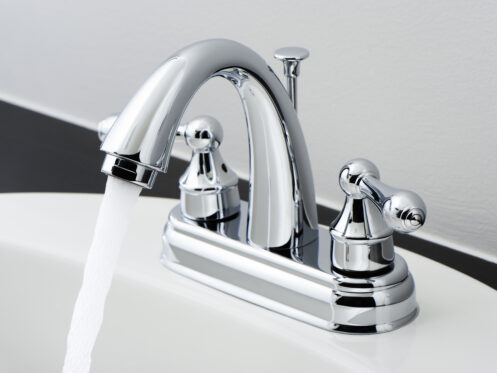
Mineral deposits around faucets are the visible result of hard water. Tucson water contains high levels of dissolved minerals, primarily calcium and magnesium. When water flows through your faucet and evaporates, it leaves these minerals behind. Over time, they accumulate and form a white or off-white crust known as lime scale.
You may notice mineral deposits on faucets develop most often around the base of fixtures, on aerators, and along edges where water collects and dries. These deposits can appear powdery at first but often harden into a rough, stubborn layer that becomes more difficult to remove over time.
Why Hard Water Stains Are So Common in Tucson
Tucson has naturally hard water due to the region’s geology. Groundwater picks up minerals as it moves through rock and soil before reaching your house. This mineral-rich water flows through every faucet, appliance, and pipe in your home. Each time you use water, small amounts of calcium and magnesium remain behind after evaporation.
The hard water stains Tucson homeowners experience are especially noticeable in areas with frequent water use. Kitchens and bathrooms often show the earliest and most visible signs. Since the mineral content remains consistent, buildup continues to occur unless the water receives treatment before entering your plumbing system.
How Scale Buildup Affects Fixtures Over Time
Scale buildup does more than create an unsightly appearance. It can also affect how your fixtures perform. As deposits accumulate, they can clog small openings in faucet aerators and showerheads. This restricts water flow and can cause uneven spray patterns. Mineral buildup can also interfere with moving parts inside fixtures. Handles may become harder to turn, and valves may not function as smoothly as they should. Over time, scale buildup on fixtures can lead to reduced efficiency and increased wear.
The Connection Between Visible Deposits and Hidden Problems
What you see on your faucets represents only part of the issue. Mineral deposits on fixtures often indicate similar buildup inside your plumbing system. As hard water travels through pipes, it leaves behind scale along the interior walls. This buildup narrows the pipe and restricts water flow.
Appliances such as water heaters, dishwashers, and washing machines can also develop internal scale. This reduces efficiency and forces the equipment to work harder. Visible buildup around faucets acts as an early warning sign. If deposits appear on the outside, similar accumulation likely exists inside your pipes and appliances. Addressing the issue early can help prevent long-term damage and costly repairs.
Why Buildup Happens Faster Than You Expect
Mineral buildup can develop quickly in Tucson homes. Each use of water contributes a small amount of residue, which accumulates over time. High temperatures can accelerate this process. Hot water causes minerals to separate more easily and stick to surfaces. Frequent water use also increases the rate of buildup. Areas such as kitchen sinks and showers are constantly exposed, allowing deposits to form more rapidly. Even regular cleaning cannot stop the buildup entirely. Without addressing the water’s mineral content, deposits will continue to form.
How Mineral Deposits Affect Water Pressure and Flow
As scale builds up inside fixtures and pipes, it can affect water pressure and flow throughout your home. Clogged aerators and showerheads reduce the amount of water that can pass through. This can result in weaker streams or uneven spray patterns. Inside pipes, scale buildup restricts the flow of water. This can cause noticeable drops in water pressure, especially in older homes with significant buildup.
Reduced flow can also impact your appliances’ performance. Dishwashers and washing machines may operate less effectively or take longer to complete cycles. Maintaining proper water flow requires addressing both visible and hidden mineral deposits.
Cleaning vs. Solving the Root Problem
Many homeowners rely on cleaning products to remove mineral deposits. Vinegar and other acidic solutions can help dissolve lime scale on surfaces. While cleaning improves the fixtures’ appearance, it does not prevent new buildup from forming. The underlying issue remains unchanged.
Regular cleaning can become time-consuming and frustrating as deposits keep returning. To truly solve the problem, you need to address the source of mineral buildup rather than just the symptoms.
Long-Term Benefits of Water Treatment Systems
Water treatment systems provide a long-term solution for hard water problems. These systems reduce or eliminate the minerals that cause buildup. Water softener work by removing calcium and magnesium from the water before it enters your plumbing system.
Softened water prevents scale from forming on fixtures, inside pipes, and within appliances. This helps protect your home and improve overall water quality. In addition to reducing buildup, water treatment systems can extend the lifespan of plumbing components and appliances. If you invest in water treatment in Tucson, you will notice improved water flow, fewer maintenance issues, and easier cleaning.
How Water Softener Installation Improves Daily Life
Installing a water softener offers benefits beyond preventing mineral deposits. Soft water allows soap and detergent to dissolve more effectively. This can improve cleaning results in kitchens, bathrooms, and laundry.
Shower experience may also improve. Soft water can feel smoother on skin and may reduce dryness caused by mineral-heavy water. Fixtures remain cleaner for longer periods, which reduces the need for frequent scrubbing. Over time, these improvements can enhance comfort and reduce the effort required to maintain your home.
Signs That Your Home May Need Water Treatment
Mineral deposits around faucets provide one of the clearest signs of hard water, but other indicators may also appear. You may notice cloudy spots on dishes or glassware after washing. Soap may not lather well, or laundry may feel stiff after drying. Appliances may show signs of reduced efficiency or require more frequent maintenance.
If these issues occur along with visible buildup, your home likely has hard water that would benefit from treatment. Recognizing these signs early allows you to take action before more significant problems develop.
Protect Your Fixtures and Plumbing for the Long Term
Mineral deposits often signal a larger issue within your home’s water system. Hard water stains Tucson homeowners deal with every day reflect ongoing mineral buildup that can affect fixtures, pipes, and appliances. At Cal’s Plumbing, we have been providing top-rated plumbing solutions to Tucson-area residents since 1948.
We know how to address hard water issues common in this area, so trust us with your plumbing system. Contact Cal’s Plumbing today to consult us about in water treatment in Tucson.