On a night in Tucson, AZ, the desert can be a tranquil place, unless your plumbing chooses to put on a show of its own. Unexpected thumps, whistles, or rattles are common sounds from loose mounting brackets and unsecured supply lines. To get back to the peaceful, soothing environment you deserve, the first step is to figure out the culprits behind those unsettling nighttime plumbing pipe noises.
Pressure Changes
Most homes rely on a municipal water supply rather than a dedicated storage tank. The main line runs to a municipal water supply that connects to every home on your block. This means that when water usage and temperatures drop at night, the pressure inside the local utility lines fluctuates. These shifts in pressure are a frequent cause of banging, whistling and shuddering noises.
Water Hammer
Water hammer is a common plumbing problem that creates loud banging noises. It often happens at night due to the increased municipal water pressure when community-wide usage drops. The high-pressure shockwave that comes from water suddenly stopping or changing direction leads to pipes physically slamming against your wooden wall studs. The jarring noise is not only disruptive to sleep but also strains your pipe joints, which can eventually lead to leaks or a complete burst.
Loose Pipes
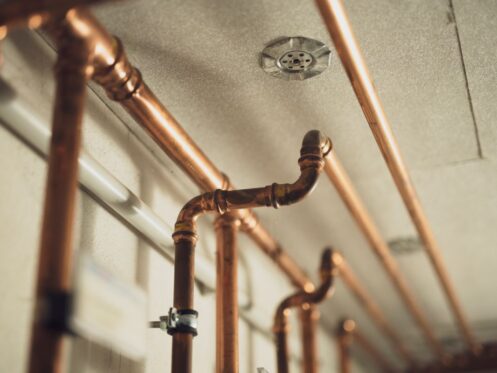
All the pipes in your home need secure fastening with heavy-duty mounting brackets or pipe hangers. If they become loose, they may bang against the structural framing of your house when water flows through them at night. Unsecured lines may also act as a pendulum that produces a repetitive tapping or rhythmic thumping noise when you turn on a faucet. If you don’t resecure the pipes, they may eventually develop cracks or joint failures that lead to a major leak.
Temperature-Related Expansion
Dips in the temperature at night cause copper and PEX piping to expand and contract. When hot water runs through the cooler pipes, you may hear clicking or ticking noises from the friction created as they rub against their supports. The sounds are usually more noticeable in pipes running through attics and crawl spaces since these areas lack the consistent climate control in the rest of your home.
Appliance Cycling and Automatic Operations
Some of your appliances are likely to be running while you sleep. Ice makers, water softeners and automatic irrigation systems often do their heaviest work in the middle of the night. Sounds from these mechanical cycles are usually no cause for concern and may include humming, whirring or splashing.
Sediment Buildup in Plumbing Lines
There are many areas throughout Tucson with hard water. The high mineral content is a major hazard for pipes, fixtures and water heaters. You may see crusty deposits on faucets and showerheads or white, scaly buildup in your dishwasher. Calcium deposits inside pipes may form jagged, rock-like obstructions that water has to flow around. The turbulence created by the restricted flow can lead to noises that resemble hissing or whistling.
Which Sounds Are Harmless?
It’s normal to hear a quiet creak after you turn the shower off each evening. This sound originates from the thermal contraction of your pipes as they begin to cool down. If your ice maker hums while it’s filling with water, this is also completely normal. As long as you don’t hear any loud banging or persistent rattling or notice changes in water pressure, your plumbing is likely in good shape.
Which Sounds Indicate Problems That Need a Plumber?
It’s those violent banging noises and loud rattling sounds that you need to worry about. If your plumbing is experiencing water hammer in Tucson, you need to have it addressed right away. You don’t want your pipe fittings to come loose and leak gallons of water into your home. This can ruin nearby floors, ceilings and walls. We might even have to tear out drywall and insulation to access the damaged lines.
A high-pitched whistling noise may point to excessive water pressure, which also needs immediate attention. The sound could be from a failing pressure regulator, which is a frequent cause of burst pipes and appliance failure.
You also need to call a plumber as soon as possible if you hear water running behind walls or under flooring. This typically means you have a hidden leak.
Here are the most common pipe rattling causes that need professional service:
- Loose pipes rattling inside walls
- High water pressure causing vibrations
- Water hammer from sudden valve closure
- Faulty pressure regulator causing surges
- Aging pipes weakening under pressure
- Air trapped inside plumbing lines
Can a Plumbing Inspection Help?
Yes, one of the best ways to get rid of those annoying nighttime plumbing sounds is to have your system inspected. We have special tools and expert knowledge that allows us to quickly find the contributing factors during plumbing inspections. We’ll check your pipe fittings, water pressure, shutoff valves and more. Once we figure out the root cause of the noise, we’ll explain the various repair options, which may involve pipe repair or repiping solutions.
Best Ways to Prevent Loud Plumbing at Night
Developing a proactive strategy is key to getting a good night’s sleep with quieter plumbing. You can use the following tips to make sure your pipes don’t keep you awake.
Secure Loose Pipes and Fittings
You can easily add extra support and cushioning to visible pipes that rattle or vibrate. There are many insulation and fastening options to choose from, including rubber-lined brackets, foam sleeves and sturdy pipe straps. If you have hidden pipes that seem to be loose, give us a call. We have specialized tools that allow us to reach and secure those pipes with minimal disruption to your walls.
Install Water Hammer Arrestors
Water hammer arrestors work great behind washing machines and dishwashers to reduce the high-pressure shockwaves that cause violent banging. Depending on local plumbing codes, you may need to hire a plumber to install these devices.
Adjust and Regulate Water Pressure
We can check your water pressure to determine whether it’s too high or low. Low pressure may produce noises like faint hissing or whistling as the water struggles to push through the lines. High pressure is especially damaging to your plumbing and may create loud banging, vibrating or shrieking sounds. A pressure level of 40 psi to 60 psi is ideal for most homes in Tucson. We may need to install a water pressure regulator if yours doesn’t fall into this range.
Flush Lines to Remove Sediment Buildup
All the hot water coming into your home sits in the water heater before it travels through your pipes to your faucets and appliances. If it mixes with sediment and mineral scale, this greatly increases the risk of noisy kettling or rumbling within the tank. Booking regular flushing is an effective way to get rid of abrasive buildup, so your water heater can run better and quieter.
Schedule Routine Plumbing Maintenance Today
Our team at Cal’s Plumbing makes it easy to keep your plumbing quiet and serene with expert maintenance. We’ll check all of the pipe fasteners and system connections to find what’s keeping you up at night. WE might need to add cushioned straps to unsecured lines or a pressure-reducing valve to regulate the intense force of late-night water spikes.
Contact Cal’s Plumbing now to book professional plumbing maintenance in Tucson. We’ll make sure you don’t have to deal with noisy pipes at night.