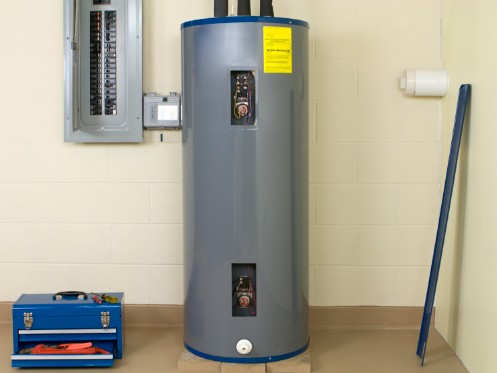
During winter, your hot water can start acting strange in ways that seem random, like showers turning lukewarm halfway through because the water never quite gets hot, regardless of how long you wait. Sometimes the issue is the water heater, but other times it’s a plumbing problem that only appears when cold water temperatures drop, and your system must work harder. At Cal’s Plumbing, in Tucson, AZ, we help homeowners determine the cause of low hot water and fix it the right way.
Sediment Buildup Can Reduce Capacity and Slow Heating
Mineral sediment can collect inside tank-style water heaters, and it can cause two separate problems. First, it can create a barrier between the heat source and the water. Whether your heater uses gas or electric elements, heat transfers best when it meets water directly. A thick sediment layer acts like a crust. The heater runs longer, water warms more slowly, and you get less hot water during busy periods.
Second, sediment can take up space. If the bottom of the tank holds several inches of mineral material, you have fewer gallons available for heating. In winter, that reduced working volume becomes more noticeable because the heater already has a harder job with colder incoming water. You might also hear rumbling, popping, or crackling during heating cycles. Those sounds can happen when water trapped under sediment flashes into steam and collapses. The noise itself is not the only issue. It often signals reduced efficiency and added strain. A licensed plumber can assess the condition of the tank and recommend safe service or replacement based on age, performance, and progression of buildup.
A Damaged Dip Tube Can Mix Cold Water Into Your Hot Supply
The dip tube is a simple part inside many tank water heaters, yet it has a specific purpose. It directs incoming cold water down toward the bottom of the tank, away from the hot water outlet. This helps keep the hottest water layered near the top, ready to flow to your shower and sinks. If the dip tube cracks or breaks, cold water can enter closer to the top and mix with the hottest layer. The result can seem like hot water runs out quickly, even though the heater is still heating.
This can be confusing because the water may start hot and then shift to warm within minutes. You might describe it as a “fast fade” rather than a slow cool-down. In some cases, bits of plastic from a deteriorating dip tube appear in faucet aerators or shower heads, which can also affect flow. A plumber can diagnose dip tube issues by investigating the heater age, symptom patterns, and outlet temperature behavior. Replacing internal components is not a casual job, since it involves safe shutoff, disassembling connections, and correct reassembly. Getting the diagnosis right matters because several different issues can mimic the same “my shower goes cold” feeling.
Restricted Valves and Mineral Buildup Can Look Like “Low Hot Water”
Low hot water can mean different things. Sometimes you have plenty of hot water, yet it arrives weakly because the flow is restricted. Valves can restrict hot water when they are partially closed, corroded, or become narrow due to mineral buildup. In winter, you may notice the restriction more because you use more hot water and you run it hotter. A restricted hot water path can also lead you to think the heater is failing when the heater is fine, and the bottleneck is in the line.
Patterns help you narrow it down. If every hot fixture has weak hot flow, the restriction may be close to the heater, like a hot-side shutoff valve that does not open fully. If only one sink or shower has a weak hot flow, the issue may be local to that fixture, such as a stop valve, supply line, or a clogged cartridge. Corroded valves can be deceptive because the handle turns, yet the internal passage stays narrow. A plumber can trace the restriction safely and correct it without creating leaks in older fittings. Once the flow returns to normal, your hot water can feel “back” without any changes to the heater.
Hidden Hot Water Leaks Can Drain Your Supply Before You Use It
A small leak on a hot water line can waste heated water continuously, which makes your tank seem like it cannot keep up. By the time you turn on the shower, the heater has already been cycling to replace water you never used. In winter, that extra demand matters more because the heater already needs more time to heat colder incoming water. A leak does not have to be dramatic to cause a noticeable shortage.
Clues can be quiet. You may hear a faint flow sound when fixtures are off, or you may notice the water heater runs when no one is using hot water. A sudden increase in the water bill can be another hint. If the leak is under a slab on a hot line, you might notice an odd warm spot on the floor where it should not be warm. You may also notice damp baseboards, a persistent musty smell, or flooring that never seems to dry out. Leak detection should be handled by a licensed plumber who can isolate lines, test pressure, and locate the source with professional tools. Fixing the leak often restores hot water performance because the heater stops fighting a constant, hidden drain.
Mixing Valves and Crossovers Can Cool Hot Water Before It Reaches You
If your water starts warm and then shifts cooler in a way that feels inconsistent, mixing may be happening outside the water heater. Some homes use mixing valves to blend hot and cold water for safer delivery. If a mixing valve fails or drifts, it can send too much cold water into the mixed supply, leaving water that never feels fully hot, even when the heater is producing hot water at the tank.
Crossover problems can also happen when a fixture allows cold water to push into the hot line. A worn shower cartridge, a failing single-handle faucet, or a failing check valve can allow pressure to move water the wrong way. You might notice hot water takes longer to arrive, or that multiple fixtures feel lukewarm after someone used a particular shower. These issues can fluctuate depending on which fixtures were used last, making them difficult to detect without testing. A plumber can isolate lines and confirm whether a crossover is occurring, then repair the faulty mixing point. Once corrected, hot water can arrive faster and stay hotter because it is no longer being cooled before it reaches the tap.
Hot Water Services
Low hot water in winter often comes down to a handful of fixable issues, like sediment in the tank, a failing dip tube, corroded shutoff valves, or hidden leaks that waste heated water before it reaches you. Cal’s Plumbing can help with water heater repair and replacement, plumbing leak detection, valve replacement, and whole-home plumbing inspections. If your hot water has been failing to produce the hot water you desire this winter, call Cal’s Plumbing today for service.