If you’ve noticed the water level in your toilet bowl keeps dropping between flushes, it often means that water is escaping somewhere it shouldn’t be. While some causes are minor, others indicate hidden plumbing problems that need immediate attention. A consistently low water level can lead to unpleasant sewer odors, reduced flushing performance, and wasted water, driving up your utility bills.
Is It Normal for Toilet Bowl Water Levels to Change?
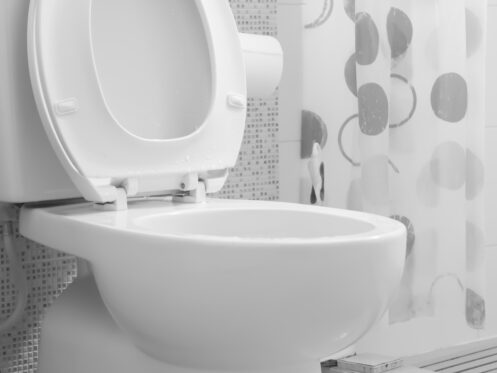
A normal toilet bowl has a consistent water level just above the opening of the drain trapway. This pool of water is critical because it creates a seal that blocks sewer gases from entering your bathroom. Under normal circumstances, this level should remain relatively stable from one flush to the next.
Minor fluctuations can occur. For instance, in a rarely used guest bathroom, a small amount of water may evaporate over weeks, especially in a dry climate as we have here in Tucson.
However, if you notice a repeated or significant drop in the water level in a regularly used toilet, it’s not normal. This ongoing water loss indicates an underlying issue. Distinguishing between slow evaporation and an active problem can help prevent serious issues.
Could a Hidden Toilet Leak Be Lowering the Water Level?
One of the most common culprits for a dropping water level is a leak that allows water to escape the bowl without leaving puddles on the floor. These hidden leaks can be tricky to diagnose because the water may be seeping out slowly into areas you can’t see, such as the subfloor or into the drain line below the toilet. Common locations for these elusive leaks include tiny, hard-to-see cracks in the porcelain, a defective internal trapway, or a failing wax seal at the base. In some cases, the issue isn’t the toilet itself but a hidden problem in the drain pipe it connects to.
How Can You Tell if Your Toilet Is Leaking?
Since water isn’t always visible on the floor, you must look for other clues of a hidden leak. These signs can help you identify a problem early.
Symptoms of a hidden toilet leak include:
- Unexplained drops in bowl water level
- Damp or discolored flooring near base
- Ceiling stains below the bathroom
- Sudden increase in water bills
- Persistent sewer odors
Some of these symptoms are more noticeable than others, but any one is reason to investigate further. A combination of these signs suggests a leak.
Can a Cracked Toilet Bowl Cause Water Loss?
Yes, even a hairline crack in the porcelain can be enough to cause a slow, steady drop in your toilet’s water level. These cracks can develop from age, overtightening bolts during installation, or an impact from a heavy object. The challenge is that they are often located below the water line or on the underside of the bowl, making them nearly impossible to spot.
A small crack can worsen over time due to constant pressure and temperature changes. If you suspect a crack, it’s a serious issue. Attempting to patch a crack is rarely a permanent solution, and in most cases, a full toilet repair or replacement is the most effective way to prevent water damage.
What Role Does the Toilet Trap Play?
Every toilet has an internal curved trapway that holds water after each flush. This component holds a specific amount of water after each flush. This standing water creates a barrier that helps block sewer gases from flowing up the drain pipe and into your home.
When the water level in the trap drops too low, this protective seal is broken. That’s why a foul odor is often one of the first signs of a problem. Additionally, a proper water level is necessary for the siphoning action required for a powerful, effective flush.
Could a Plumbing Vent Problem Be Siphoning Water Out of the Toilet?
Your home’s plumbing system relies on drain pipes and vent pipes that run through the walls and out the roof. These vents allow air to enter the drain system, which helps regulate pressure and ensures water and waste flow smoothly. If a vent pipe becomes blocked, it can create negative pressure, or a vacuum, in the drain lines.
This pressure imbalance can be strong enough to siphon water right out of your toilet bowl, usually after you flush or when a nearby fixture drains. Common causes of vent blockages include leaves, debris, bird nests, or even snow and ice. Because these vents are on the roof, diagnosing and clearing them is a job best left to a professional.
Signs a Venting Problem May Be the Cause
A blocked plumbing vent often causes symptoms affecting multiple fixtures, not just a single toilet. If you notice the water level dropping in your toilet along with other odd occurrences, a venting issue is a likely suspect.
Common signs of a vent blockage include:
- Gurgling sounds from the toilet
- Bubbles in the bowl when using other drains
- Slow drainage in sinks and tubs
- Sewer odors in multiple bathrooms
- Fluctuating toilet water level
Observing several of these symptoms together is a strong indicator that your entire drain system is not venting properly.
Can Nearby Plumbing Fixtures Affect Your Toilet?
Because all of your home’s drains are part of an interconnected system, a problem in one area can easily manifest in another. If you notice your toilet bowl water level drops after using another fixture, it’s a sign of a larger drain or venting issue. For example, sinks gurgling when a toilet is flushed or the toilet losing water after a long shower point to a pressure problem within the shared drain lines.
A holistic approach to bathroom plumbing diagnostics is important. A professional plumber will look at how all the fixtures interact to pinpoint the source of the issue.
Why Sewer Gas Concerns Shouldn’t Be Ignored
The water in your toilet bowl is a physical barrier against sewer gas. When that barrier is compromised, it exposes your home to more than just an unpleasant smell. Sewer gas contains a mixture of gases, some of which can impact indoor air quality.
Recurring bathroom smells are a sign that the water seal in your toilet trap is failing. Restoring the proper water level is essential for your toilet’s performance and for maintaining a healthy home environment.
What Can Homeowners Safely Check Themselves?
While most causes of a dropping toilet water level require professional expertise, there are a few simple checks you can perform to help narrow down the problem.
Here’s what you can safely check:
- Monitoring how quickly the water level drops
- Inspecting the bowl and tank for cracks
- Noting any unusual sewer odors
- Listening for gurgling or bubbling sounds
- Observing if nearby fixtures affect water level
Your observations can provide valuable information to a plumber, helping them diagnose the issue more efficiently when they arrive.
When Should a Plumber Inspect the Toilet and Drain System?
If your simple checks don’t reveal an obvious cause, it’s time to call a professional. A dropping water level is often a symptom of a larger plumbing issue, and a trained plumber has the tools and experience to identify the cause.
You should schedule a professional evaluation if you notice any of the following: daily water loss, suspected cracks in the porcelain, persistent sewer odors, drainage problems with multiple fixtures, gurgling sounds, or any signs of hidden water leaks. Our team at Cal’s Plumbing has provided reliable plumbing services since 1948, and we can accurately diagnose venting problems, drain issues, and concealed leaks that homeowners can’t see.
Why Is Your Toilet Water Level Dropping?
A toilet water level that keeps dropping is a sign that something is wrong. The most common causes include hidden leaks from a cracked bowl, a faulty wax ring, or problems with the plumbing vent system, creating a siphoning effect. You shouldn’t ignore this issue, as it can lead to poor flushing performance, sewer odors, or hidden plumbing damage depending on the cause.
Investigating these symptoms before they escalate into larger plumbing problems can save you from costly repairs. If your toilet water level in your Tucson home continues to drop, our experienced team is here to help. Contact Cal’s Plumbing today for a professional inspection.