
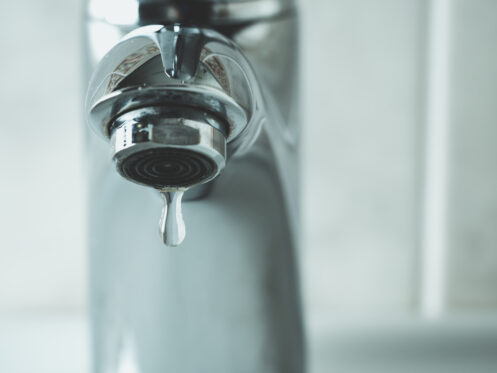
A sudden spike in your water bill can be confusing, especially during Tucson’s mild winters. You might assume that leaks develop only during hard freezes or heavy storms. In reality, though, winter creates unique plumbing stress that often exposes hidden issues. Small leaks that go unnoticed for months can begin wasting thousands of gallons once temperatures fluctuate, soil shifts, or aging plumbing reacts to seasonal changes.
Why Winter Causes Plumbing Leaks in Tucson Homes
Southern Arizona winters may not bring deep freezes, but temperature fluctuations still affect plumbing systems. Daytime warmth followed by cold nights causes pipes to expand and contract repeatedly. Over time, this movement weakens joints, fittings, and older plumbing materials.
Many homes in Tucson rely on slab foundations where water lines run beneath concrete. Soil movement from seasonal moisture changes can stress underground pipes. Even minor ground shifting creates pressure that leads to cracks or pinhole leaks below the surface.
Winter also increases water usage indoors. Holiday guests and increased cooking and laundry increase the demand on plumbing systems. This added pressure can expose weak points that previously held together during lower usage months.
Slab Leaks That Go Unnoticed for Months
Slab leaks remain one of the most common causes of unexplained winter water bill increases in Tucson. Because pipes run under concrete, leaks rarely surface immediately.
Instead of visible puddles, homeowners may notice subtle warning signs. Warm spots on the flooring, faint sounds of running water, or unexplained damp areas along baseboards often point to a slab leak. In many cases, the only obvious sign is a rising water bill.
Winter worsens slab leaks because cooler ground temperatures contrast with warm water flowing through pipes. This difference accelerates fatigue in the pipe material and widens cracks.
Professional leak detection helps locate slab leaks without damaging floors or concrete. Specialized equipment pinpoints the source, enabling targeted repairs rather than costly guesswork.
Outdoor Plumbing Still Fails During Mild Winters
Many Tucson homeowners overlook outdoor plumbing during the winter because freezing seems unlikely. However, outdoor lines face different risks. Hose bibs, irrigation connections, and exposed pipes cool rapidly overnight. Repeated cooling and warming weaken metal and plastic components. Small cracks form slowly and leak continuously, often unnoticed until water bills climb.
Irrigation systems that remain pressurized during winter can develop leaks at valves and joints. Because irrigation usage drops during cooler months, leaks often continue unnoticed underground. Checking outdoor plumbing in winter helps to identify slow leaks before they cause soil erosion, foundation issues, or ongoing water waste.
Aging Water Lines React to Seasonal Stress
Many Tucson neighborhoods include homes built decades ago that still have their original plumbing materials. Galvanized steel, aging copper, and early plastic pipes deteriorate over time. Changes in winter temperatures accelerate corrosion in older pipes. As metal expands and contracts, weak sections can develop leaks. Mineral buildup inside pipes also restricts water flow, increasing pressure at vulnerable joints.
Older plumbing systems may survive summer heat but struggle during winter fluctuations. Even small leaks from aging pipes can waste significant water over time. A plumbing inspection can help you determine whether aging lines are contributing to your higher winter water bills.
Water Heaters and Hidden Winter Leaks
Water heaters work harder during winter to maintain the desired temperature. Increased workload places stress on components and connected piping. Small leaks near the water heater often go unnoticed because they evaporate quickly or drain into utility areas. Dripping pressure relief valves, loose fittings, or corroded connections waste water slowly but consistently.
Tank water heaters also develop internal corrosion over time. Sediment buildup increases internal pressure, contributing to leaks at fittings or the tank base.
If your water bill rises during winter, inspecting the water heater and surrounding connections becomes essential. We can help you determine if your water heater has a problem and needs replacing.
Toilets That Quietly Waste Water All Winter
Toilets that run nonstop are one of the most overlooked sources of winter water loss. A worn flapper or faulty fill valve allows water to flow continuously from the tank into the bowl. Because the leaks develop silently, it’s easy to miss the problem entirely. Winter usage often masks toilet leaks because the fixture stays active throughout the day.
A single constantly running toilet can waste hundreds of gallons of water a day. During a winter month, that waste shows up clearly on your water bill. Regularly checking toilet components helps eliminate this common source of hidden water loss.
Supply Line Leaks Under Sinks and Appliances
Supply lines feeding sinks, dishwashers, and washing machines flex slightly with temperature changes. Over time, fittings loosen, or hoses degrade. Winter humidity levels often remain lower indoors, which can cause rubber and braided supply lines to dry and crack. Small leaks form at the connection points and drip slowly into cabinets or behind appliances. A routine inspection of supply lines during the winter helps prevent leaks and unexpected plumbing repair costs.
Underground Main Line Leaks
The main water line connecting your home to the municipal water supply line remains vulnerable during winter. Soil expansion, ground movement, and temperature changes stress underground piping.
Mainline leaks often produce no visible symptoms above ground. Water seeps into the surrounding soil and dissipates without forming puddles. Homeowners typically notice only a sudden increase in their water bill. Professional leak detection identifies main line leaks, preventing long-term erosion and structural problems near the foundation.
Why Water Bills Rise Before Damage Appears
Water leaks rarely cause immediate, visible damage inside the home. Instead, they waste water quietly while increasing utility costs. Winter leaks often develop slowly, worsening over weeks or months. By the time stains, damp spots, or odors appear, the leak may already be extensive.
It’s important to monitor water bills closely during the winter so that you can catch problems early. Even moderate increases often signal hidden leaks rather than increased usage alone.
How Professional Leak Detection Saves Money
Modern leak detection uses advanced tools to locate leaks without unnecessary damage. Acoustic sensors, thermal imaging, and pressure testing identify problem areas with precision.
Professional detection eliminates guesswork and avoids unnecessary demolition. An accurate diagnosis allows plumbers to focus on repairs at the exact source of the leak. Early detection saves money by preventing prolonged water waste, structural damage, and mold growth. Tucson homeowners benefit from proactive inspections before leaks escalate.
Protect Your Home From Winter Plumbing Leaks
Cal’s Plumbing provides expert leak detection, inspections, and plumbing solutions for Tucson homes. If your water bill is rising without warning, a professional evaluation can uncover the cause and provide peace of mind.
Our trusted local plumbing company offers a range of services, including installation, maintenance, repairs, and leak detection. We’ve been proudly serving our customers since 1948.
Contact Cal’s Plumbing right away to schedule leak detection services in Tucson.